Sunday, September 7, 2008

"House"

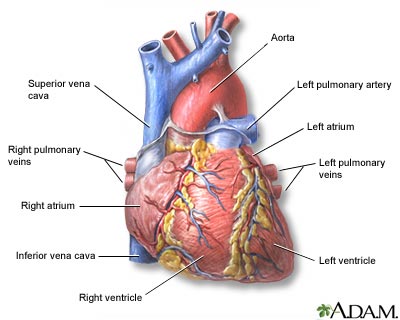
http://www.nlm.nih.gov/medlineplus/ency/images/ency/fullsize/1097.jpg
image: National Library Medicine

Normally, I don't talk about ethics much on this blog, but occasionally I find something that makes me ponder and want to know how others feel/think. So I guess I'm just putting this disclaimer that this post is about ethics and it's your choice to read or not. And if commenting, please be considerate.

**********

The USA Network is running a "House" marathon this weekend. This is a show I like but often don't watch since it conflicts with another program. That, and I rarely ever watch much of the Fox station. Occasionally, I watch a few episodes of "American Idol," but that's about it.

Although I like House, his sarcastic, dry wit, and think Hugh Laurie does a great job in the role, I'm not sure I could actually stand him as a doctor. The one thing going for him is that he is an excellent diagnostician. That's a good thing, because his bedside manner sucks. I'm sure if this was a real hospital (and there's bound to be a few in the US--egos and all), I'd probably be like one of his assistants in always worrying about getting fired or not doing the right thing. But if I was really dying or needed an answer, I do think I would maximize the situation and want him as a doctor.

Anyway, yesterday, I caught most of an episode from the first season, titled "Control." In this show, Carly, a 30+ year old comes in with what looks like paralysis of the left leg and pain in her right quadricep. She undergoes an angiogram for any clots as well as a virtual scope for colon cancer. During the second angiogram (the first one got botched), Carly's lungs fill with fluid which must be drained. Later, House examines her leg while she's sleeping and sees marks on her thigh, implicating she is a cutter. I'm not sure how he went from cutting to eating disorder and that she needed a new heart. Somehow that jump was made in his mind despite the fact that tests suggesting she had congestive heart failure had not come back yet. Of course, that's House for you.

Now, House, knowing she needs an immediate heart transplant and figuring out she has an eating disorder, must decide what to tell the committee. He sees Carly first, exchanging the details of the facts he knows about her. The ipecac syrup she had been using destroyed her heart and caused muscle damage. Then he says how he has an emergency meeting with the committee to rank how high in need her case is. Normally, her case would be ranked high since she has little time to live. However, due to her psychiatric history, the eating disorder can be an exclusionary factor, much like a suicide risk or substance/chemical dependency case.

I can't remember the exact dialogue between House and Carly, but one essential issue Carly felt was whether she was worth it or not. Really, House wanted to know whether she wanted to live. At the end, Carly said she didn't want to die.

House, then lied to the committe saying she had no exclusionary criteria for an immediate heart trasnplant. He fought hard for her and she got the heart. After the transplant, he visited her and basically told her not to screw it up. And then talks about how she would be on a strict diet and hands her some chicken or something. Okay, that wasa bit ironic, but I could see the point being made.

So, I think this episode brings up some interesting ethical type questions. If you were in the same situation as Carly, ie, needing an organ transplant due to your eating disorder, how would you feel? Would you feel worthy of a transplant or that you should even be considered or ranked high? Would you want your Dr. to be proactive for you and perhaps lie to the committee? How would you feel if your Dr. was truthful about the eating disorder, and you were ranked low on the list for an organ transplant? Would you then feel like you were not worth saving? Or, if you did receive an organ, would it be enough for you to adhere towards recovery?

I'm not sure how I'd feel honestly. If I knew someone was "ranked" the same as me, had a congenital heart defect, and there was only one heart...well, I'd feel that that person should get the heart over me. I'm not sure if I'd feel it was more of a worthiness issue or rather a fair issue. After all, some people wait months and years to receive an organ which is in high demand. And unfortunately, some die waiting.

On the flip side to this, if I did receive a heart over someone else, would I feel guilty?

I also wonder if eating disorders were looked at as more on a biological basis, thus taking out the assumed idea of "choice" which most people believe, would the exclusionary criteria be different? I know suicide and other psychiatric illnesses not being treated are also on the exclusionary list, as well as your lifestyle choices, like smoking and alcohol. BMI is also considered with those over 40 or 100 pounds overweight not recommended for transplant unless brought down to BMI of 30. Other factors are considered as well in terms of health and psychosocial aspects with some criteria recently broadened like age, having cancer, and other illnesses. I should note that any organ transplant case is looked at on an individual basis by each transplant/treatment team, so these guidelines are only suggestions.

Anyway, I just thought this was an interesting case and makes you realize the importance of well...your organs and how eating disorders can affect them. Personally, I do not know of anyone who has had to have an organ transplant due to their eating disorder (sadly, my feeling is that their organs might shut down before organ donation would be considered or they would have already passed away), though I have heard of people having organs like their gall bladder removed due to malnutrition. The point being is that this could happen. Maybe for some, it would be the impetus for change and recovery, while for others maybe not. But in the end, why do we even really want to take that chance?

Heart transplant criteria broadened
Transcript of show "Control"

Saturday, September 6, 2008

More photos

The first two photos are peaches on my peach tree in my backyard. Unfortunately, I'm not a huge peach fan. I did pick some, made a simple syrup and froze them. I figure if I ever have a desire to make a peach cobbler or preserves, it'll at least be there.


This is just a bird feather I saw lying around.


This is a catalpa (catawba) tree. In the spring, it blooms these fragrant white flowers with large heart -shaped leaves. The leaves are eaten by the catalpa caterpillars which actually make excellent fish bait. In the fall and winter, the tree produces these green bean-like stalks which store seeds. The only bad thing is that these stalks dry up and turn brown, and half the time, I mistaken them for snakes!


Here is a small white, hairy caterpillar. He was very active, wiggling all over the place.


Lastly, I just happen to see this critter. My guess is it is a type of praying mantis. He was quite the character, climbing the fence and hopping everywhere. I actually had him on my arm, but those photos came out blurry due to the close distance.


Argiope Aurantia--otherwise known as the yellow garden spider

A few weeks ago, I posted some random pictures. I've been trying to take various photos during the week of things I see. Most are animals, nature, and landscapes since I live in the country, but it's really just whatever pleases me at the time. Photographing on a weekly basis helps remind me that there is a lot of beautiful stuff out there which is in a way a form of therapy for me.

Although I already posted a picture of this yellow garden spider, I'm devoting a post to her. Now, I am not a spider fan by any means, but I find a few things quite interesting. First, I'm super amazed she has stayed in one place for over two weeks. Unfortunately, her location is not in the greatest spot. I try really hard not to ruin her web, but she continues to remake it. It's always there every morning, so figure she can't be that mad at me, or otherwise, she'd completely leave. Secondly, I've been able to get really close to her. Now, with this type of spider, it is harmless. A black widow or brown recluse, I'd be running the other direction. Both can give some nasty bites.


Here is a picture of the male spider. At the time, I did not realize it was the male, as it is so much smaller than the female. I saw him for a few days, and then he vanished. I'm honestly thinking that maybe she mated with him and then ate him. Ahh, the cycle of nature.


The next three photos are the spider making her web. The first one is her ventral side. If you look closely, you can see her making the silk. And yes, I was pretty darn close. The second and third are her forming her webs. I was really glad that I was able to get some photos of her webs this time. Doesn't she look larger to you?


And lastly, I think I'm going to give her a name. I'm thinking she looks like an Elvira. Any other suggestions?


Thursday, September 4, 2008

Is there harm in telling parents their children's weight?

I read this article today, published in Pediatrics about how there was little harm in telling parents their children were overweight. The article was from a survey in the UK looking at the National Child Measurement Program in which parents are told their children's weight upon request. While it may be true that a small percentage of parents and children were not upset about their weight feedback, I still question the repercussions of the children.

The study says that 96% of the children (ages 6-7 years and ages 10-11 years) said being weighed was "okay" or enjoyable and about the same percentage said they would be measured again in a year. Of those, 10% of healthy weight and overweight children did not like being weighed. 15% of healthy and overweight children did not want to be measured again in a year. And most of the ones who responded negatively were older which would be about right at the beginning of puberty for some.

The article also says that there was only a slight increase in restriction of food by parents of overweight girls, but that it wasn't apparent that parents were becoming overly vigilant about their eating habits after feedback.

There's a lot missing in this survey. Even if about half of the parents of overweight children changed their dietary and physical habits after feedback was given of their children's weight, there is no indication of how they did this, how they told their children, and whether it was merely to be "healthier" or to just lose weight. I think these are all important questions to ask. There's a lot to be said for how parents and other professionals talk to someone about weight. And I think with children, the utmost of care ought to be given with little emphasis on BMI or a number on a scale.

Seasonal mood disorders and the brain

Summer is almost over and fall will soon make its debut. Honestly, I can't wait, because I am sick of 90+ degree temperatures! Fall is my favorite season, but at the same time, I do have a tendency to get a bit sadder, missing the sunlight.

Seasonal mood disorders, also known as Seasonal Affective Disorder (SAD) affect many people worldwide. SAD is a type of depression that occurs cyclically with the change of seasons. The majority of people experience SAD during the fall and winter months, but it can also occur with the spring and summer months. Though symptoms do not necessarily qualify for major depression, SAD does impair the quality of life for certain individuals. Symptoms include depression, fatigue, changes in appetite, oversleeping, social withdrawal, anxiety, irritability, insomnia, agitation, increased sex drive. Some people also experience reverse SAD, with symptoms higher energy levels, increased sociability, and elevated moods.

The causes of SAD are unknown but clinicians feel circadian rhythms, melatonin, and serotonin can all have an impact. Other factors for SAD are a family history and living in northern locations. Treatment for SAD is similar to major depression with medications and psychotherapy. Light therapy can also be used for SAD during the fall/winter months.

Recent research for SAD has looked at the variable serotonin levels in the brain. In this article from the Archives of General Psychiatry, titled seasonal variation in human brain serotonin transporter binding, scientists studied the brain through Positron Emission Tomography (PET) scans. The serotonin transporter is significant in regulating the intensity and spread of serotonin signals across the brain.

In this study, 88 individuals underwent a PET scan to assess serotonin transporter binding potential value, an index of serotonin density. Each scan was grouped into fall and winter or spring and summer.

The results showed that individuals in the fall and winter group had significantly higher serotonin transporter binding potential value which means less serotonin was circulating throughout their brain than the spring and summer group.This may explain the hyposerotonergic symptoms like lack of energy, fatigue, oversleeping, and overeating that often occur during this time in those individuals who experience SAD. Thus, this provides more physiological evidence of the role of serotonin and variability of seasons throughout the brain.

Tuesday, September 2, 2008

Bread preservation technique: cinnamon essential oil

Quills of true cinnamon bark
image: wikipedia

Cinnamon is one of my favorite spices. It's aromatic and adds a lot of flavor to many different recipes. Whenever I smell cinnamon, there is a hint of nostalgia, reminding me of my mother making me cinnamon and sugar toasted bread. A simple recipe, but as a kid, I really loved it.

The nice thing about cinnamon is that there are a variety of uses for it besides in standard baking. In medicine, cinnamon has shown to be an effective treatment for diabetes II, as well as for common colds, toothaches, and halitosis. Cinnamon is also used in insect repellents. Since cinnamon oil has high anti-microbial properties, studies are looking into the preservative effects of it on different foods.


An interesting article came out about the use of cinnamon oil as a way to preserve bread and other gourmet baked items. In Spain, researchers studied packaging of paraffin wax paper with different concentrations of cinnamon essential oil. Observing both white bread with a common mold in plain wax packaging and the paraffin wax paper with cinnamon essential oil, they found the packaging with 6% cinnamon essential oil prevented mold growth by 96% after only three days and lasted up to ten days. The bread in plain wax packaging did not inhibit mold growth.

This is significant for any of you who are tired of having to throw away a half or more loaf of bread due to moldiness. I can't tell you how many partially eaten loaves of bread I've had to throw away due to this. I now keep my bread in the fridge which does make it last longer. I just don't understand why there can't be half loaves of bread? For single people like me or people who just don't eat bread quickly, this would seem like such a viable option and less waste. I know I could just not buy bread, but honestly, I'm a huge bread lover. And why deprive myself of that?


Monday, September 1, 2008

To therapy or not


I've been thinking about going back into therapy for awhile. Whenever I decided to do this, it becomes an ordeal of analysis, and you'll see why below. However, I find writing it out gives me better success for follow through.

It's been almost nine months since I've been in any form of therapy, though that's not the longest I've been without therapy. Honestly, I feel a little pathetic that I feel this kind of need. It's not even really that but moreso in that it's the same issues--fears, anxiety, my future, my parents, and other issues as well. I guess I'd call them unresolved, though I've come a long way in learning the whats and whys.

So here I am trying to think of who I should see, and this is where my dilemma comes in. Do I want to see one who specializes in eating disorders or do I want a more general therapist? Do I want to see one I'm familiar with or start brand new with someone different? Do I want a passive approach or a more aggressive approach? Do I want one who is CBT-focused, psychodynamic, interpersonal, eclectic, or something completely different? So the run down of therapists are:

Therapist K. specializes in eating disorders and uses CBT and psychodynamic. I have seen her off and on for the last five years, so she knows me well. She takes an in-between approach of passive and aggressive but mostly gives you full rein of decision making which is sometimes not my forte. She is very knowledgeable about eating disorders and keeps up to date on the latest research which is something I really do like. She's probably the only therapist that has let me have my dogs there which I found helpful. Okay, that reason isn't a great criteria, I just thought it was cool, despite the fact she was allergic to dogs! Plus, I think she enjoyed seeing them a lot too!

A few drawbacks to Therapist K. are that she doesn't take my insurance and she has limited time.

My last therapy stint with therapist K. went okay, but we both became frustrated (she at me for not making progress and really wanting to recover and me just frustrated with myself). So we ended our time together with her leaving the door open for me. I took that break up hard and felt a sense of loss. I needed time to get past that. Though what she said was true and hard to hear, I still felt crushed and dejected.

Therapist R. also specializes in eating disorders and body image issues. She's currently the ED therapist at the main university here and has a small private practice as well. I've only spoken to her once on the phone which was awhile ago. She has told me she uses more of an interpersonal style of psychology and looks at a lot of relationship issues. Her approach is more aggressive than passive. I'm pretty sure she accepts my insurance and is willing to be negotiable with her schedule.

Therapist V. specializes in eating disorder and body image issues. She currently shares an office with Therapist R. I don't know too much about her style of therapy, but is more on the aggressive side. I haven't officially spoken with her. I chickened out at the last minute when I had originally thought about seeing her.

Therapist A. is a general therapist but also deals with body image issues. She was the ED therapist at the main university here (maybe five years ago) until she decided to open up her private practice full time. I saw her for about six months. It didn't go that well. We had different styles and didn't mesh well. She takes more of a passive approach towards eating disorders and therapy in general. We had many moments of silence! I terminated that one due to our differences. She understood and left the door open for me to come back if I so chose to.

Therapist C. was my therapist in college for about three years. I abruptly ended my sessions with her, because I took a medical leave of absence my last semester. It was an emergency session, and by the end of the week, I was gone. Her style is CBT and psychodynamic. She is more of a general therapist but specializes in working with fear as well as a few other things. Overall, my time with her went well, and she did help me through some very rough patches.

The one drawback for her is that she shares an office with Therapist A. Now, I know that that really shouldn't be an issue. I'm sure both are professional, it's just me and my paranoia. Therapist C. also knows several clients from my work. I did deal with a similar situation in that Therapist K. shared an office with a client whose dog I have taken care of many times. I dealt with it okay, but again, it's just that paranoia and six degrees of separation feeling.

Then there is Therapist D. I don't know much about her other than reading her website. She doesn't give specifications as to her style and seems to be a general therapist who works with eating disorders and sports performance as well as other issues.

There is also one other group in town with a variety of therapists. I don't know much about them but have heard good things.

Ultimately, I know I need to call these therapists and get information. I've been in therapy long enough to know what works for me and what doesn't. I know with a therapist who is more the passive type, well honestly, I'd probably just bullshit my way. And I don't mean that in a smart ass type of way, just that I'd have more trouble opening up, sharing my true feelings, and just not getting anywhere. I know I'm the type that needs challenges (I wouldn't necessarily call it "homework"), lots of food for thought, that type of thing. This doesn't mean just go read this book, it will make you feel better.

With Therapists K. and C. who know me well, what holds me back from seeing them is feeling like a failure. Logically, I know therapists are there to help you cope, deal with life, give new perspectives, etc. But sometimes I wonder if it is better for me to try someone completely different, kind of like having a "blank slate," though I despise the thought of going through my entire history again. A friend of mine would tell me make a pro/con list and decide what my factors were for therapists, but that just seems too logical. This is why I say therapist shopping for me becomes an analysis procedure.

The other thing for me to think about is WHY I would want to be in therapy now? It's really more about my life, getting over certain phobias, learning to move on, letting go, and gaining self-esteem than it is about the ED, although everything is essentially intertwined. Sure, I've talked about a lot of this in therapy in the past, but I know I can't keep putting these major life decisions on hold anymore. I'm 28 and not getting any younger. There are several other issues involved with my parents, expectations, social approval, etc.

I guess right now I'm feeling a bit "blue." I'm not sure whether it is the fact that three-quarters of the year has gone by, and I feel like I've accomplished nothing. Or that fall is coming soon and there is a hint of nostalgia. Or that I get tired of my father continually harassing me about graduate schools and moving closer to them. Or the sense of disappointment and inferiority I feel. Or the anxiety about my upcoming marathon which I feel very ill-prepared for. It's probably all of the above.

Sometimes I hate the fact of knowing these things but yet feeling so stuck that everything feels insurmountable.